Diamond vs Moissanites Explained Through Lab Created Diamonds

diamond vs moissanites
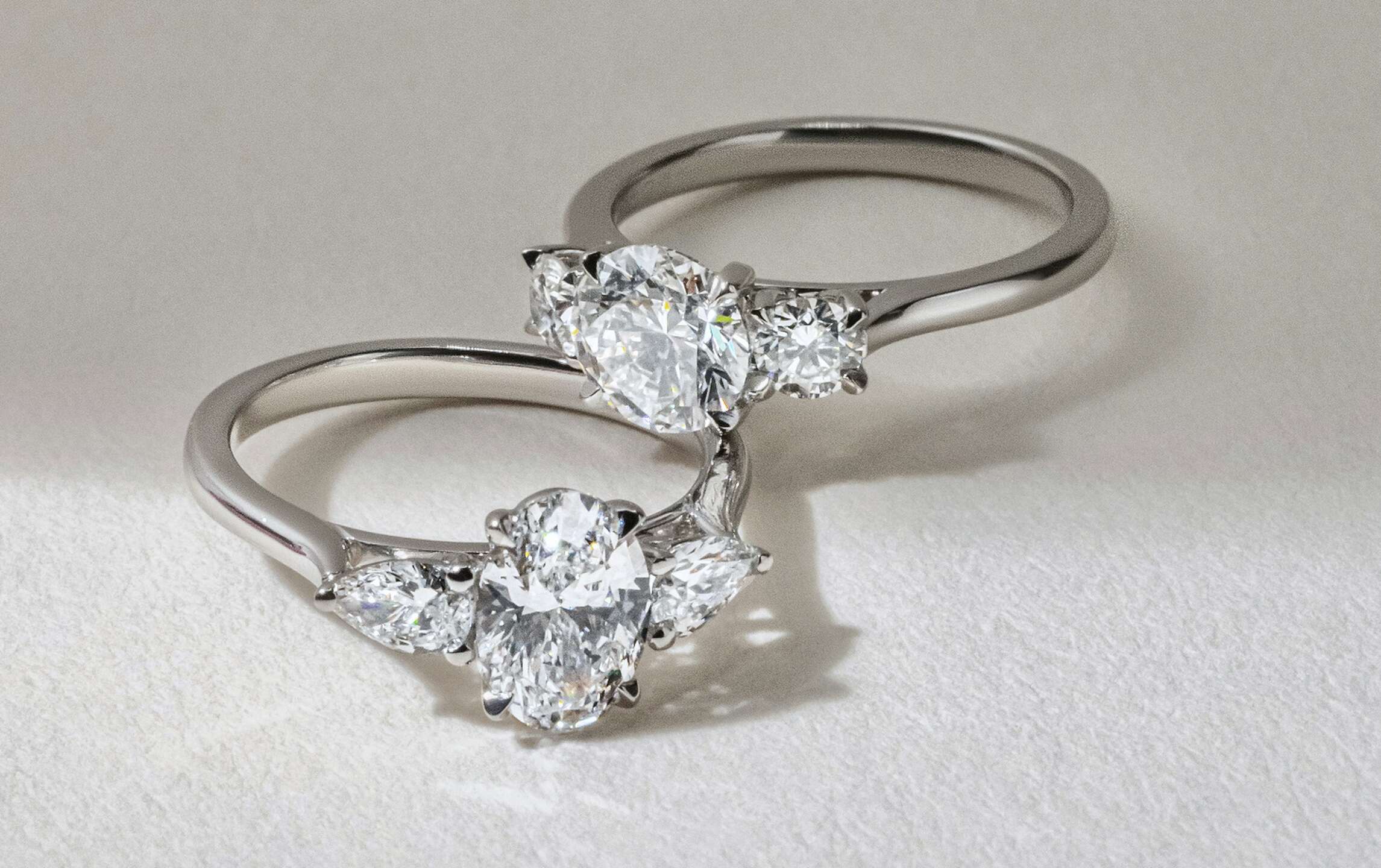
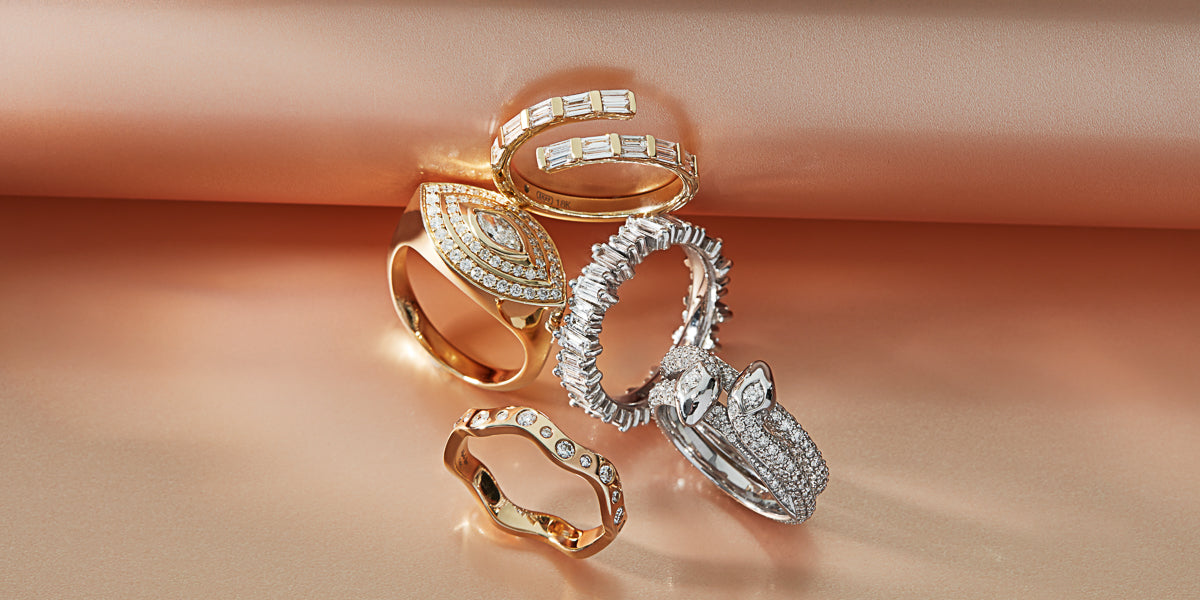
Lab created diamonds are diamonds grown in controlled environments using advanced equipment. They share the same chemical structure as mined diamonds. They are not imitations. They are not substitutes. They are diamonds.
The process starts with carbon. Heat and pressure are applied in ways that mirror natural conditions. Over time a diamond crystal forms. The result is visually and structurally identical to a mined stone.
You can confirm this through standard gem testing. A trained gemologist cannot tell the difference without specialized tools. The sparkle, hardness, and optical behavior match what you expect from a diamond.
This matters because many people confuse lab grown stones with simulants. Moissanite is a simulant. Cubic zirconia is another. Lab created diamonds are not in that category.
Why They Enter the Diamond vs Moissanites Debate
When people compare diamond vs moissanites, they are often balancing appearance against cost. Moissanite looks similar at first glance. It is bright and reflective. It also costs less.
Lab created diamonds sit between these options in perception but not in structure. They offer the look and performance of a diamond with a lower price than mined stones. This makes them part of the decision even when the original search is framed as diamond vs moissanites.
If you care about owning a diamond specifically, this option changes the comparison entirely.
How Lab Created Diamonds Are Made
There are two main production methods.
High Pressure High Temperature
This method uses extreme pressure and heat to grow diamonds from a carbon source. It closely mimics natural formation.
Chemical Vapor Deposition
This method uses carbon rich gas in a vacuum chamber. Layers of carbon build onto a diamond seed over time.
Both methods produce real diamonds. The differences matter mostly to manufacturers and graders, not to everyday wear.
Durability and Daily Wear
Diamonds rank at the top of the hardness scale. Lab created diamonds share this property. They resist scratching and wear over decades.
Moissanite is also hard but not equal. Over time it can show abrasion on facet edges. This may not matter to everyone but it matters if you plan to wear a ring daily for many years.
If you want minimal maintenance and long term surface integrity, diamond performance is the benchmark.
Visual Differences You Should Know
At a glance, many stones look similar. Under closer inspection, differences appear.
Moissanite has a higher refractive index. This creates more fire. Some people like this. Others find it looks artificial.
Diamonds reflect light in a balanced way. The sparkle is sharper and less rainbow heavy.
Lab created diamonds behave exactly like mined diamonds because they are the same material.
Example
Under store lighting moissanite may look brighter. Under daylight diamonds often look clearer.
Cost and What You Are Paying For
Price is one of the main reasons people consider alternatives.
Lab created diamonds typically cost less than mined diamonds of similar size and grade. The difference can be significant.
You are paying for:
- Diamond material
- Cut quality
- Clarity and color
- Certification
You are not paying for geological rarity or mining overhead. This shifts the value equation.
Moissanite costs even less. It is not priced as a diamond because it is not one.
Your decision depends on whether the label and material matter to you.
Ethics and Environmental Impact
Some buyers care deeply about sourcing. Others care less. What matters is knowing the tradeoffs.
Lab created diamonds avoid traditional mining. This reduces land disruption and labor concerns. Energy use still exists but it is more controlled.
Moissanite is also lab made. Its footprint is generally low.
If ethical sourcing is a priority, both options can meet that need. If owning a diamond is also important, lab creation offers a middle path.
Resale and Long Term Value
This is where expectations need to be realistic.
Mined diamonds may retain some resale value. Often less than people expect.
Lab created diamonds depreciate faster. The technology improves and prices fall. This affects resale.
Moissanite has minimal resale value.
If you view jewelry as an emotional purchase, this may not matter. If you view it as a financial asset, you should think carefully.
Example
An engagement ring worn daily for decades has value in use, not resale.
Certification and What to Look For
If you choose a diamond, certification matters.
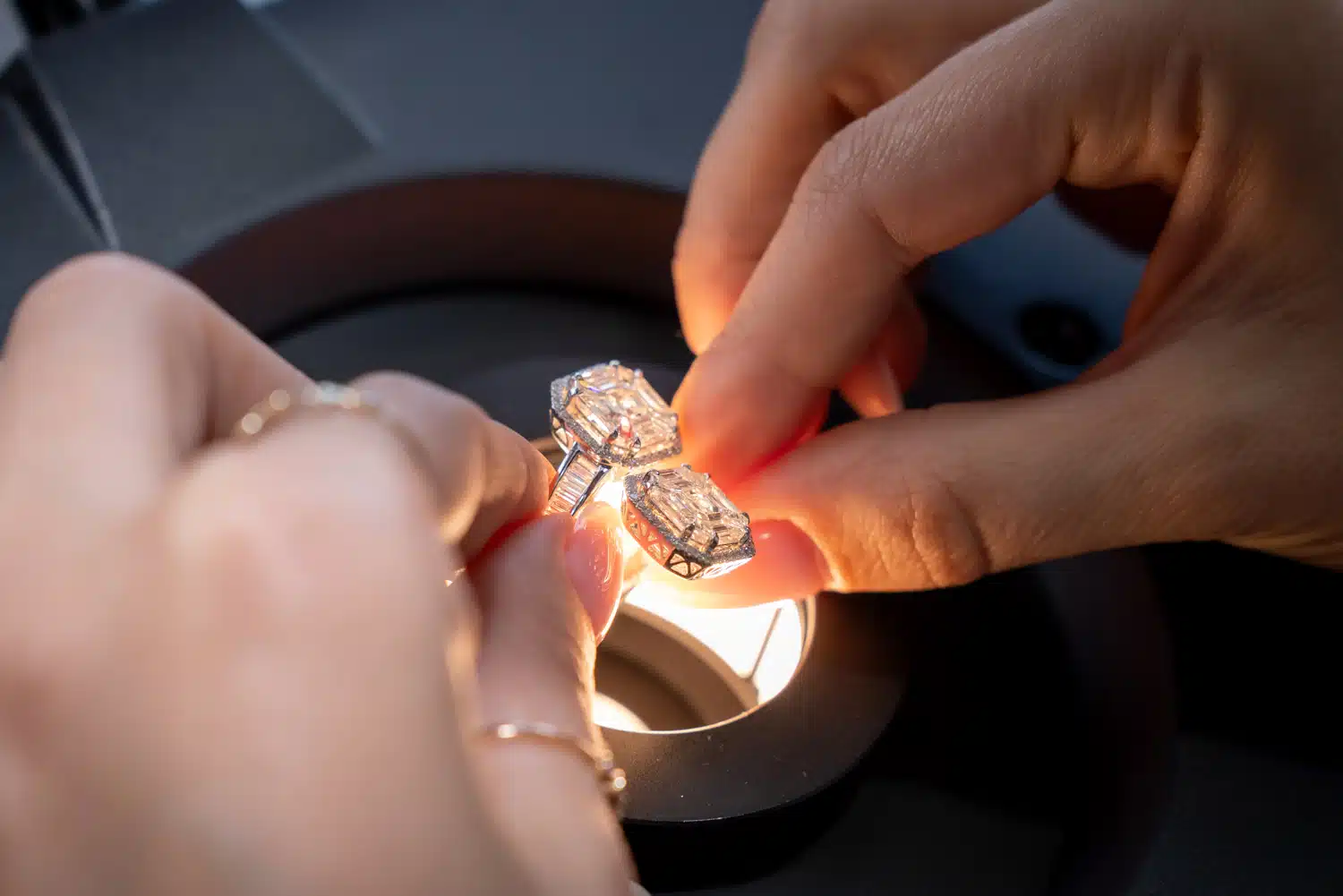
Look for grading reports from established labs. These reports confirm authenticity and quality.
Key factors to check:
- Cut quality
- Color grade
- Clarity grade
- Carat weight
Lab created diamonds are graded using the same standards. This allows direct comparison.
Moissanite does not follow this system because it is not diamond based.
Who Lab Created Diamonds Make Sense For
This option suits you if:
- You want a real diamond
- You want lower upfront cost
- You care about origin transparency
- You plan to wear the piece often
It may not suit you if resale value is your priority or if geological rarity matters deeply to you.
How to Decide Without Regret
Strip the decision down to essentials.
Ask yourself:
Do I want a diamond or a diamond look
Do I care about long term wear
Do I value material authenticity
Do I accept depreciation
Answering these honestly leads to clarity. The diamond vs moissanites debate is less about right or wrong and more about alignment with your values.
FAQ
Are lab created diamonds real diamonds?
Yes. They share the same chemical and physical structure as mined diamonds. They are not simulants.
Do lab created diamonds sparkle differently?
No. They reflect light the same way mined diamonds do. Any difference comes from cut quality.
Is moissanite a better value?
It depends on your goal. Moissanite costs less but it is a different material. Value depends on what you want to own.