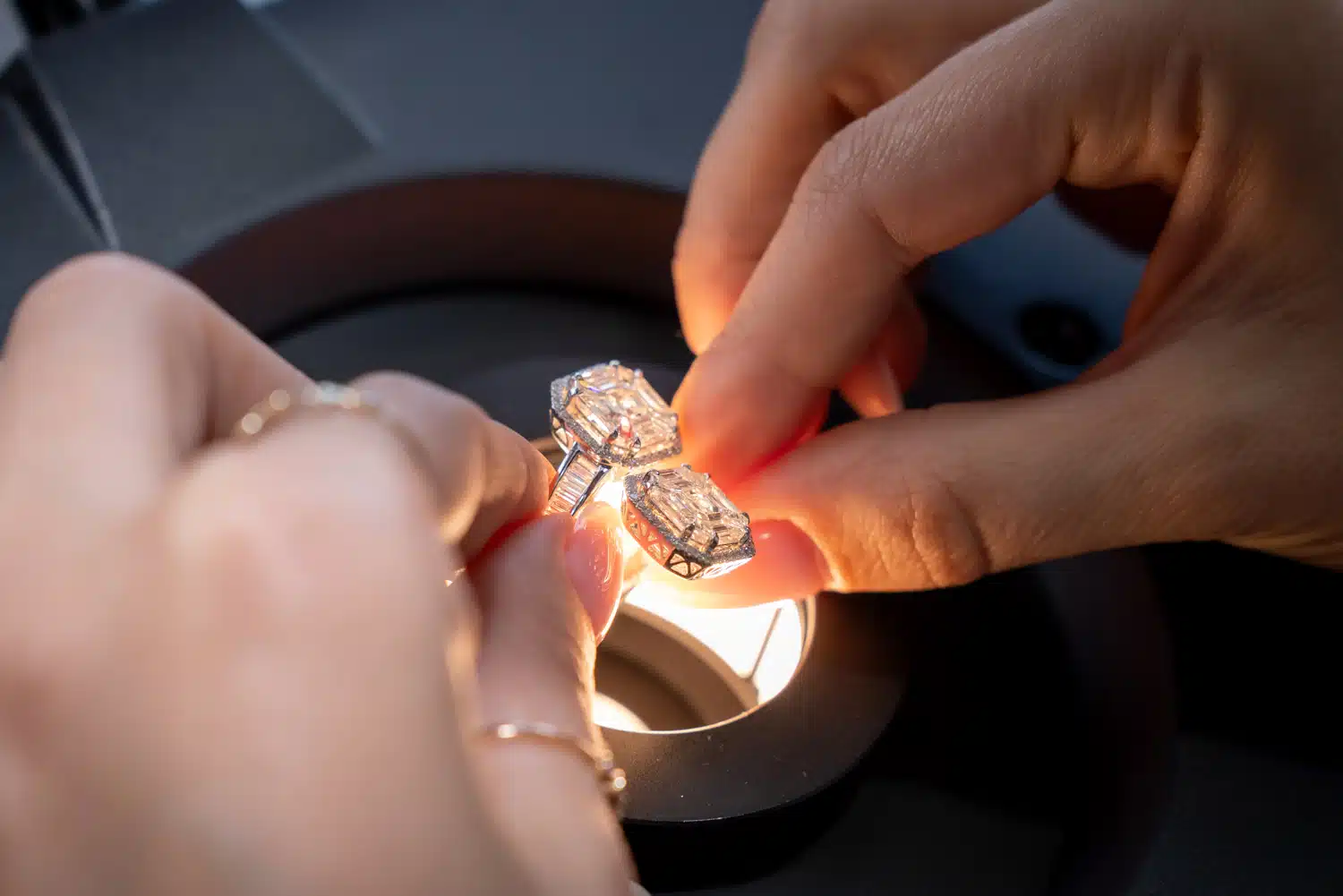
Custom Engagement Ring: Design It Your Way

custom engagement ring
Man Made Diamonds What To Know
A custom engagement ring begins with the centerpiece – its choice pulls every detail into place. Shape matters. So does cost. The way it sits on your finger shows up early. What lies behind many designs today? Lab grown diamonds. Not fakes, not copies. Actual gems born in labs, not dug from soil. Their origin changes nothing about their nature. Same stuff, same makeup – just born in a lab instead of deep underground. What sets them apart isn’t how they’re built, but where they come from.
Man Made Diamonds How They Are Created
Folks mostly rely on just two ways when making these stones. Though some try others, it’s those pair that show up most often.
High Pressure High Temperature
Under ground, heavy squeeze and scorching warmth shape carbon into diamonds. When pushed hard and heated long enough, atoms shift slowly, locking into bright stone.
Chemical Vapor Deposition
Inside a sealed space, a gas full of carbon gets pumped in. From there, tiny carbon pieces stick to a little diamond starter, building up slowly, one sheet at a time. These lab-grown gems end up shaped and rated the same way natural ones are. If you’re looking at a made-to-order wedding band, labels from testers like IGI or GIA often come with them. Each paper spells out details – how it’s cut, its shade, purity level, and how heavy it is.
Reasons Behind Choosing This Option
Here’s why it matters – cost. A lab-made stone usually costs under what a natural diamond does, even when they’re identical in look and carat. So the result? More room to choose a larger size or better clarity without stretching your budget
- Choose a larger carat weight
- A better clarity level can be chosen instead. Picking something clearer makes a difference sometimes. Higher quality shows up in how clean it looks overall
- Switch out the gemstone or change the band material
A half-carat jump happens when choosing lab grown instead of natural, keeping cut and color alike. Because origins matter, some like that these gems come from labs, not pits in the ground. When planning a ring without stretching funds, having room to adjust matters. Knowing where it came from can feel just as important as how it looks.
Real Diamonds or Not
Fine. Identical makeup to earth-mined stones. These register on testers without question. Grading labs handle them like any gem. Setting techniques match exactly. Origin story sets them apart – that’s all. This matters since a lot of folks mix them up with fake versions such as cubic zirconia or moissanite. These aren’t the same stuff at all. Lab grown diamonds? They’re pure carbon, arranged in crystal form – exactly what natural ones are.
Evaluating Quality
Start by checking their quality through the very same aspects experts assess in mined stones. Instead of focusing on origin, look at how they measure up across those four clear categories. Each factor plays an equal role, just like it does with traditional gems found underground. The method stays unchanged, whether the diamond forms beneath earth or inside a lab.
Cut
A slice too shallow dulls the shine. Light bounces right when a stone is shaped just right, glowing clean across. Skip shortcuts on this part.
Color
Far from dull, diamonds run a spectrum between pure clear and faint golden tones. For that crisp white sparkle, aim just shy of totally colorless stones. Brightness hides best where tint fades almost to nothing.
Clarity
What you see inside a stone – tiny marks or spots – matters more than labels. Most flaws hide unless you zoom in close. Go for what appears spotless when you look at it normally.
Carat Weight
A single carat tells how heavy a diamond is, never just its appearance. Because of precision in shaping, a 1.2 carat gem that’s finely crafted might seem bigger than one at 1.4 carats done carelessly. While designing your own engagement ring, weigh each of these elements together – shape, clarity, color, cut – not by rules but by personal meaning. What stands out most to you shapes the choice.
Pricing and Long Term Value
Machines make these gems faster now, so costs dropped. You pay less when shopping today. Still, selling them later might bring smaller returns than natural ones. Holding wealth over years? That factor matters. Big stones on a tight budget? Lab diamonds might fit the plan. What matters most to you? A ring worn every day, full of meaning – or something that holds worth over time? That thought shapes what feels right.
Custom Engagement Ring Design Without Limits
Starting with a lab grown diamond means the man made diamonds opens up. Since it’s often priced lower, extra cash might go toward details that matter. A unique setting could take shape, shaped by preference. The band’s look? Maybe different too – crafted just so. Choices multiply when budget stretches further. Design shifts from standard to something personal. This path lets imagination lead, instead of limits
- Hand engraved details
- A hidden halo
- White gold gets swapped out for platinum
- A ring that goes with the wedding one
A different ring comes into view when money guides the pick. Not just round cuts make the cut – three stones step forward, framed by narrowing rectangles at the sides. Pick one gem, the whole shape shifts. What sits center changes how everything else flows.
Common Misunderstandings
Lab created stones aren’t flawless just because they’re made in a lab. Still, flaws like tiny marks inside can show up. Color might shift slightly too, even here. People sometimes think these gems break easily. Not quite right either. A single number on the hardness chart holds both lab stones and earth-mined ones equal. Spotting where it came from? That gets tricky. Machines with sharp eyes catch tiny lines inside, revealing if it grew underground or in a room. From your view, no difference shows at all. Knowing what shapes each gem lets choice come from sight, not guesswork.
People Who Might Want To Think About This
This option could work well for you when:
- You want maximum size within a fixed budget
- You prefer a modern sourcing process
- Your focus leans toward how it looks instead of what it sells for later
A different choice opens up when budget holds back your dream ring design. Natural stones often set the limit – yet that barrier fades here.
Questions to Consider Before Purchasing
Got a stone picked out? Stop. Question it first
- This diamond – who assessed its quality?
- How precisely is the cut rated
- Few people notice anything inside when looking closely without tools
- What is the return policy
A wrong choice might cost more than just money. Spend as long as needed. When comparing, place gems next to each other if you can. Watch how they change in daylight, then indoors.
FAQ
Do man made diamonds look different from natural diamonds
Not really. They seem identical when you just glance at them. Only tools made for such tasks reveal what sets them apart.
Few people wonder if these work well every day
Fine. Just like natural stones, these hold up just as well day after day. Same toughness. Built to last through regular wear.
Are they cheaper
Most times these run cheaper than natural diamonds that match in size and quality, yet prices shift depending on who makes them and where you buy.