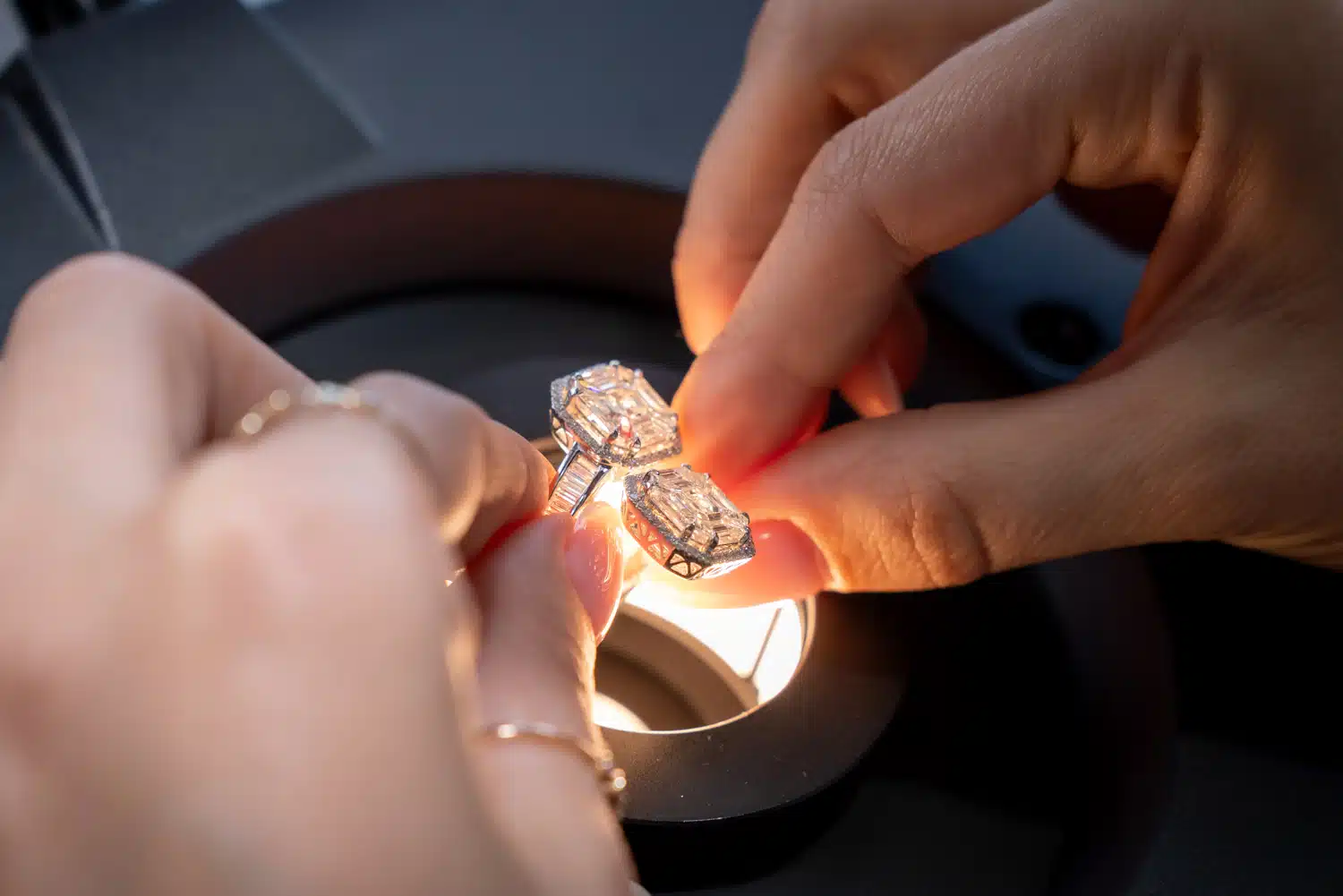
GIA vs IGI: Which Diamond Certification

For anyone investing in fine jewelry, diamond certification matters as much as the stone itself. A certificate confirms a diamond’s quality, characteristics, and authenticity. It gives buyers confidence and helps them make informed decisions.
As lab-grown diamonds continue gaining popularity across Spain, many shoppers encounter one important question: GIA vs IGI — which certification should they trust?
The answer depends on what you value most. Some buyers prioritize global prestige. Others focus on practicality and transparency. Understanding these distinctions can help you select a diamond that aligns with both your expectations and your budget.
Understanding Diamond Certification
Diamond certification is an independent assessment performed by a recognized gemological lab grown diamonds. Experts evaluate a diamond using strict grading standards and document its characteristics.
A grading report typically includes:
- Carat weight
- Cut quality
- Color grade
- Clarity grade
- Measurements
- Polish and symmetry
- Fluorescence details
- Identification number
- Information about treatments or origin
For engagement rings, wedding bands, and meaningful jewelry purchases, certification provides reassurance and trust.
What Is GIA?
The Gemological Institute of America (GIA) is one of the world’s most respected authorities in gemology. Established in 1931, GIA introduced the internationally recognized 4Cs grading system: cut, color, clarity, and carat weight.
GIA certifications are often associated with:
- Conservative grading practices
- Exceptional consistency
- Strong global reputation
- High resale confidence
- Detailed diamond reports
Spanish buyers seeking maximum credibility often view GIA-certified diamonds as the benchmark.
GIA now certifies both natural and lab-created diamonds, making it relevant for modern fine jewelry collections focused on sustainability.
What Is IGI?
The International Gemological Institute (IGI) has become a leading authority in the lab-grown diamond sector. Founded in 1975, IGI operates laboratories worldwide and certifies a significant percentage of lab-created diamonds sold internationally.
IGI certifications are known for:
- Strong expertise in lab-grown diamonds
- Efficient turnaround times
- Accessible pricing
- Comprehensive grading reports
- Broad acceptance among jewelry retailers
Many ethical jewelry brands choose IGI because it aligns well with the growing demand for sustainable jewelry and custom engagement rings.
GIA vs IGI: Side-by-Side Comparison
| Feature | GIA | IGI |
|---|---|---|
| Founded | 1931 | 1975 |
| Global Reputation | Exceptional prestige | Highly respected |
| Lab-Grown Expertise | Strong | Extensive |
| Grading Approach | More conservative | Slightly more flexible |
| Turnaround Time | Often longer | Typically faster |
| Certification Cost | Higher | More affordable |
| Availability | Widely accepted | Widely accepted |
| Popularity in Lab-Grown Market | Growing | Very strong |
Both laboratories maintain professional standards. The best choice depends on your priorities.
Which Certification Is Better for Lab-Grown Diamonds?
For buyers focused on lab-grown diamonds, IGI often stands out.
The institute has played a major role in developing standards for lab-created diamonds. Its reports are familiar to retailers and consumers shopping for ethical diamonds and sustainable jewelry.
IGI-certified stones frequently appear in:
- Custom engagement rings
- Bridal jewelry collections
- Anniversary gifts
- Personalized jewelry designs
- Contemporary fine jewelry collections
That does not diminish GIA’s authority. GIA-certified lab-grown diamonds still carry significant prestige and buyer confidence.
Why Spanish Buyers Are Choosing Lab-Grown Diamonds
Spain’s jewelry market has evolved. Today’s consumers increasingly seek pieces that reflect both beauty and values.
Lab-grown diamonds appeal to Spanish buyers because they offer:
- Exceptional visual quality
- Ethical sourcing considerations
- Reduced environmental impact
- Better value compared with many mined alternatives
- Greater flexibility for larger stones
- Modern craftsmanship opportunities
These preferences align closely with broader global trends, including growing interest in sustainable luxury across markets such as New Zealand.
Consumers in both Spain and New Zealand increasingly appreciate jewelry that combines elegance with conscious decision-making.
How Certification Influences Engagement Ring Shopping
An engagement ring often marks one of life’s most meaningful milestones.
Certification allows couples to compare diamonds objectively. It supports informed decisions regarding ring settings, budget allocation, and design preferences.
When selecting custom engagement rings, buyers should review:
Diamond Quality
Examine the grading report carefully. Understand how cut, color, and clarity affect appearance.
Certification Authenticity
Verify the report number through the issuing laboratory.
Jewelry Craftsmanship
A beautifully certified diamond deserves expert craftsmanship. The setting should complement the stone while ensuring durability.
Long-Term Confidence
Choose certification that matches your comfort level and purchasing goals.
Finding the Right Balance Between Prestige and Practicality
The debate around GIA vs IGI rarely produces a universal winner.
Buyers who prioritize tradition and international recognition may prefer GIA.
Those seeking outstanding value within the lab-grown diamond category often appreciate IGI’s expertise and accessibility.
Trusted retailers can help navigate these distinctions and recommend diamonds suited to individual preferences.
At novitadiamonds.es, clients exploring lab-grown diamond jewelry can better understand the nuances of certification while selecting pieces crafted with care, transparency, and modern sophistication. Reviewing the differences in GIA vs IGI grading empowers buyers to choose engagement rings, wedding bands, and diamond jewelry with confidence and clarity.