Moissanite Diamond or Lab-Grown Diamond? A New Zealand Buyer’s Guide

moissanite diamond
Choosing an engagement ring often starts with one question: which stone feels right?
Many New Zealand couples compare moissanite with lab-grown diamonds. Both offer beauty, durability, and modern appeal. Yet they are different gemstones. Their sparkle, structure, grading, and meaning also differ.
Understanding those differences helps you choose with confidence. It also protects you from vague product descriptions.
What Does “Moissanite Diamond” Mean?
The phrase moissanite diamond appears often in online searches. However, moissanite is not a diamond. It is a diamond simulant made from silicon carbide. Most jewellery-grade moissanite is laboratory created because natural moissanite is extremely rare.
A lab-grown diamond is a real diamond created through technology. It shares essentially the same chemical composition, crystal structure, and physical properties as a mined diamond. Gemological laboratories use advanced equipment to confirm its origin.
Buyers should treat these stones as separate choices. One resembles diamond. The other is diamond with a laboratory origin.
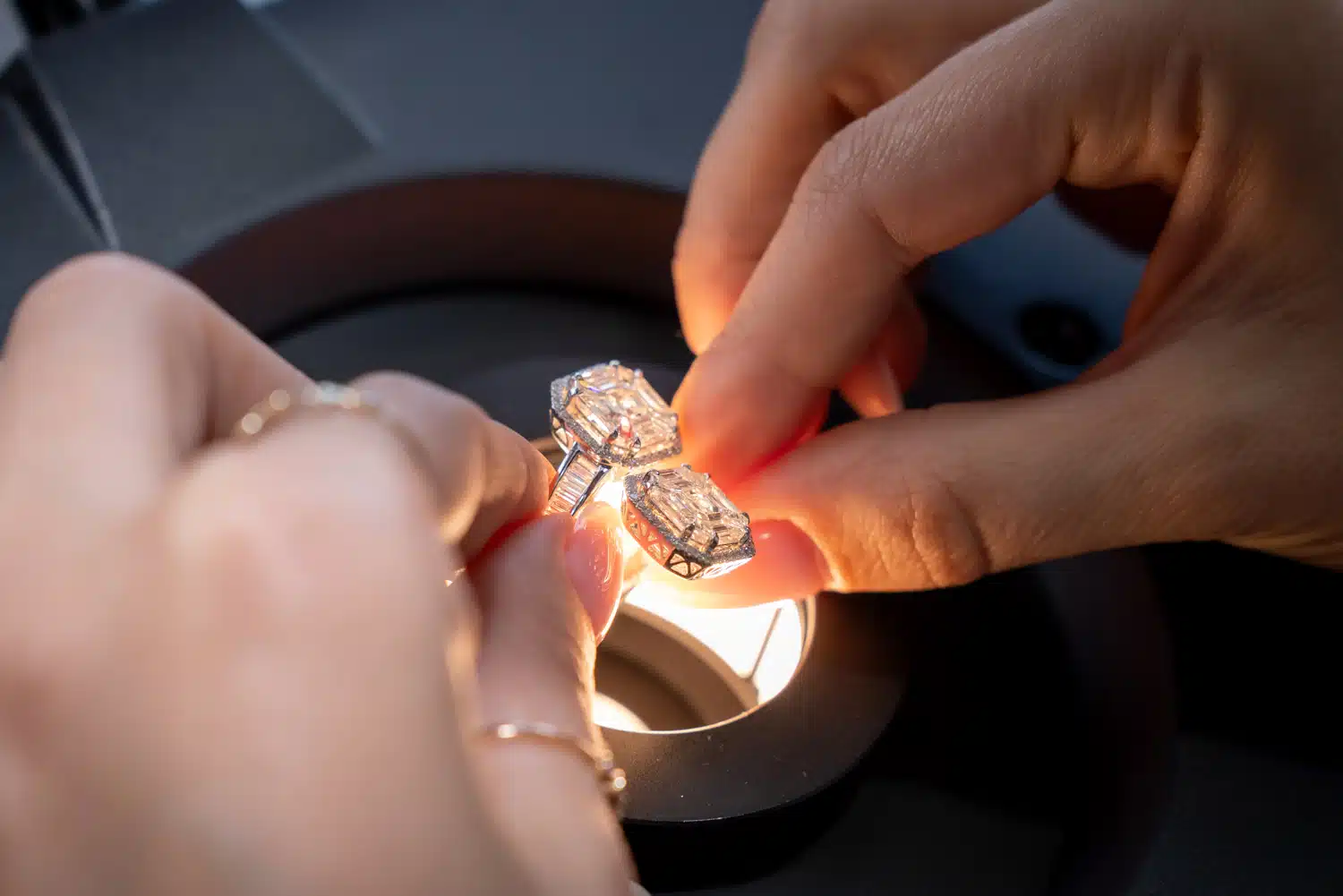
NOVITA Diamonds explains the key differences between a moissanite diamond and diamond jewellery.
Moissanite vs Lab-Grown Diamond: Key Differences
| Feature | Moissanite | Lab-Grown Diamond |
|---|---|---|
| Material | Silicon carbide | Crystallised carbon |
| Gem type | Diamond simulant | Real diamond |
| Sparkle | Strong rainbow fire | White brilliance with balanced fire |
| Hardness | About 9.25 | 10 |
| Optical effect | Doubly refractive | Singly refractive |
| Documentation | Supplier certificate or warranty | Independent diamond reports available |
| Best for | Bold sparkle and lower budgets | Classic diamond beauty and graded quality |
Moissanite offers strong everyday durability. Diamond remains harder and resists scratching better. GIA places diamond at 10 on the Mohs scale. Synthetic moissanite measures about 9.25, which still suits engagement rings.
How Sparkle Changes the Ring
Moissanite produces strong fire. It breaks light into vivid rainbow colours. The effect can look lively in sunlight and evening lighting.
Diamonds show a balanced mix of white brilliance, fire, and contrast. Their sparkle often looks sharper and more familiar. A well-cut lab-grown diamond performs like a mined diamond because both share diamond’s optical properties.
Larger moissanite stones may show stronger rainbow flashes. Some people love this effect. Others prefer a diamond’s crisp, white sparkle.
New Zealand’s changing light can reveal each stone differently. A ring may look soft on an overcast Auckland morning. It may appear brighter under clear Canterbury sunlight. View your preferred stone in several lighting conditions before buying.
Durability, Settings, and Daily Wear
Engagement rings face daily contact with desks, clothing, bags, and cleaning products. Both stones suit regular wear. However, no gemstone is impossible to damage.
A secure setting matters as much as hardness. Low-profile settings suit active lifestyles. Bezel settings protect more of the stone’s edge. Solitaire and cathedral settings create a classic, open look.
Consider these practical points:
- Choose gold or platinum that suits your routine.
- Check prongs during regular jewellery servicing.
- Remove rings during heavy lifting or harsh cleaning.
- Clean the ring with mild soap and a soft brush.
- Avoid home tests when identifying the gemstone.
The right setting should support your work, hobbies, and comfort.
Diamond Certification and Buying Confidence
Certification creates a clear difference. Independent laboratories grade lab-grown diamonds using carat weight, colour, clarity, and cut details.
GIA states that laboratory-grown diamonds share essentially the same chemical, optical, and physical properties as natural diamonds. It also uses testing and inscriptions to identify laboratory-grown stones clearly.
Moissanite does not receive a diamond grading report because it is not diamond. Sellers may provide a warranty or authenticity card. Check who issued the document and what it confirms.
Ask to see the report before paying a deposit. Confirm the metal type, ring size, warranty, return terms, and resizing policy.
Ethical Sourcing and Sustainable Jewellery
Across Australia and New Zealand, many buyers want jewellery that reflects their values. Some choose lab grown diamonds to avoid concerns linked with traditional diamond mining. Still, responsible buying requires more than selecting a laboratory-created stone.
Ask where the stone was grown and cut. Check how the jeweller sources gold or platinum. Review labour standards, packaging, repairs, and product lifespan.
Moissanite also avoids diamond mining because jewellery-grade stones are laboratory created. However, “ethical” and “sustainable” should not become empty labels. Energy, transport, manufacturing, and metal sourcing still matter.
A trustworthy jeweller should explain these details clearly.
Which Stone Suits Your Engagement Ring?
Choose moissanite when you prefer intense rainbow sparkle. It also suits buyers seeking a larger appearance within a tighter budget.
Choose a lab-grown diamond when you want a real diamond. It offers classic brilliance, recognised grading, and familiar diamond symbolism. It also suits solitaire, halo, oval, emerald-cut, and three-stone designs.
Personal taste should lead the decision. Compare loose stones or finished rings in person when possible.
Custom Engagement Rings with Personal Meaning
A custom ring lets you shape every detail. You can select the stone, setting height, band width, metal, and hidden accents.
Lab-grown diamonds work well for custom engagement rings because buyers can compare certified quality. They also pair naturally with wedding bands and bridal jewellery.
Small details can add meaning. Consider an engraved date, birthstone accent, or hidden halo. Strong jewellery craftsmanship should support beauty, comfort, and long-term wear.
The same approach suits anniversary gifts and personalised jewellery.
Questions to Ask Before Ordering
Before placing an order, ask:
- Is the centre stone moissanite or lab-grown diamond?
- Which laboratory issued the diamond report?
- Can I view the report before purchase?
- Which setting suits daily wear?
- Does the price include resizing and servicing?
- How does the stone look in natural light?
- Can the wedding band sit flush beside the ring?
Clear answers help you compare value. They also help you choose jewellery that feels personal and lasting.