Timeless Jewelry Styles and Smart Diamond Buying Guide

Diamond Buying
Jewelry has always represented personal style, tradition, and lasting value. While fashion trends change, certain designs remain popular across generations. A smart purchase begins with understanding timeless jewelry styles and knowing how different gemstones compare. This guide explains classic jewelry choices, diamond quality, moissanite vs diamond, and the growing popularity of man made-diamonds. It also answers common questions that help buyers make informed decisions.
Why Timeless Jewelry Styles Never Go Out of Fashion
Timeless jewelry focuses on elegant designs instead of temporary trends. These pieces work well with casual outfits, formal clothing, and special occasions. Their versatility makes them valuable additions to any jewelry collection.
Popular timeless styles include:
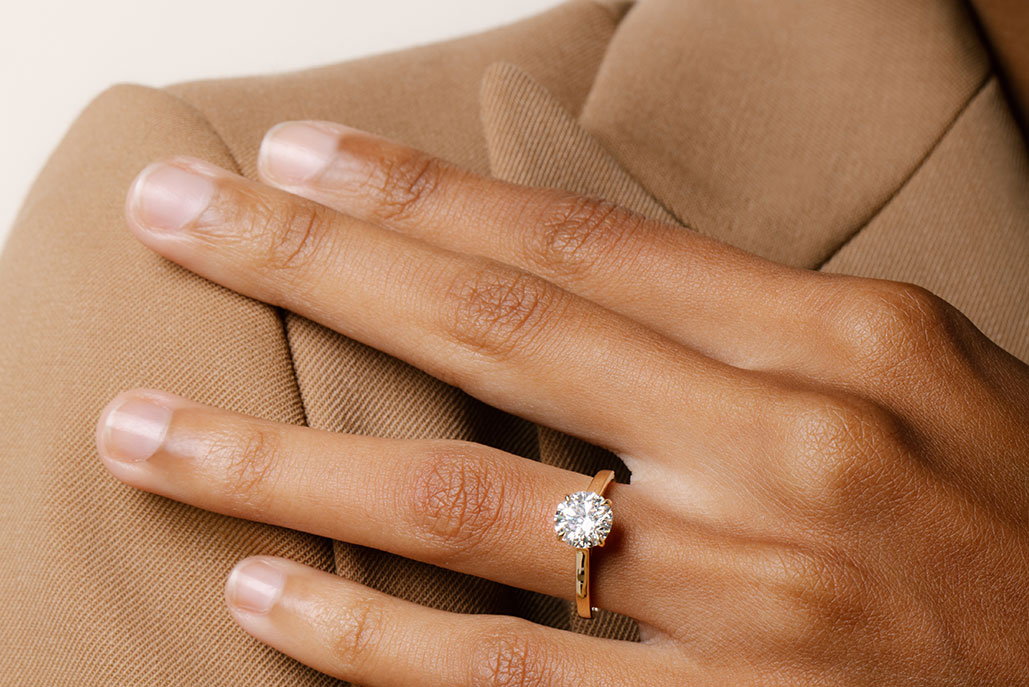
- Solitaire engagement rings
- Diamond stud earrings
- Tennis bracelets
- Pearl necklaces
- Classic gold chains
- Hoop earrings
These styles maintain their appeal because they emphasize clean lines and balanced proportions. They also match different fashion preferences without looking outdated.
Timeless Jewelry Styles and Smart Diamond Buying Guide
Choosing timeless jewelry involves more than selecting an attractive design. The gemstone, metal, craftsmanship, and overall quality all affect long-term satisfaction.
Before purchasing diamond jewelry, evaluate these factors:
Understand the Four Cs
Professional gemologists evaluate diamonds using four primary characteristics.
Cut
Cut determines how effectively a diamond reflects light. A well-cut diamond produces greater brilliance and sparkle than a poorly cut stone with higher clarity.
Color
Diamonds range from colorless to light yellow or brown. Less color usually increases value in natural white diamonds.
Clarity
Clarity measures internal inclusions and external blemishes. Many minor imperfections remain invisible without magnification.
Carat Weight
Carat measures weight rather than size. Two diamonds with equal carat weight may appear different because of their cut proportions.
Understanding these factors helps buyers compare diamonds with confidence instead of focusing on a single feature.
What Is Moissanite?
Many buyers ask, what is moissanite diamond? The answer is simple. Moissanite is not a diamond. It is a separate gemstone made from silicon carbide.
Natural moissanite is extremely rare. Almost every gemstone sold today is laboratory created. This controlled production provides consistent quality while avoiding mining.
Moissanite offers impressive brilliance because it bends light differently than diamond. As a result, it often displays more colorful flashes under bright lighting.
What is Moissanite Diamond vs Moissanite?
The discussion of moissanite vs diamond has become more common as buyers explore alternatives.
Here are the major differences.
| Feature | Diamond | Moissanite |
|---|---|---|
| Composition | Carbon | Silicon carbide |
| Hardness | 10 on Mohs scale | 9.25 on Mohs scale |
| Fire | Moderate | Very high |
| Brilliance | Excellent | Extremely bright |
| Price | Higher | Lower |
| Origin | Natural or laboratory grown | Mostly laboratory created |
Diamonds produce a balanced white sparkle. Moissanite creates stronger rainbow flashes because of its higher dispersion.
Both stones are durable enough for daily wear. However, diamonds remain slightly harder and resist scratching better over many years.
Moissanite vs Diamond: Can You Tell the Difference?
Most people cannot distinguish them during normal wear. Their appearance looks very similar from a distance.
Professional jewelers use specialized equipment to identify each gemstone. Experienced gemologists also notice differences in sparkle, double refraction, and optical properties.
Under bright lighting, moissanite often produces stronger rainbow flashes. Diamonds usually display a more balanced white brilliance.
For many buyers, these differences are minor during everyday use.
Another common question is what is moissanite diamond vs lab grown diamond.
A lab grown diamond, also called a laboratory diamond or man made diamond, has the same chemical composition as a natural diamond. Scientists create it using advanced technology that reproduces natural diamond formation.
Moissanite remains a different gemstone even though it is also produced in laboratories.
The key differences include:
- Lab grown diamonds are real diamonds.
- Moissanite is not a diamond.
- Lab grown diamonds receive diamond grading reports.
- Moissanite displays more colorful light reflections.
- Lab grown diamonds generally cost more than moissanite but less than comparable natural diamonds.
Understanding this distinction helps buyers choose according to appearance, budget, and personal preference.
The Growing Popularity of Man-Made Diamonds
Man made diamonds have become a practical option for many consumers. Advances in manufacturing now produce high-quality laboratory diamonds with excellent clarity and color.
These diamonds offer several advantages:
- Lower prices than comparable natural diamonds.
- Identical physical and chemical properties to natural diamonds.
- Availability in larger sizes within the same budget.
- Independent grading by recognized gemological laboratories.
Because they are genuine diamonds, they perform the same as natural diamonds in daily wear and standard jewelry settings.
Chart: Moissanite vs Diamond Price
Many buyers search for a chart moissanite vs diamond price before making a decision.
The table below provides general price comparisons for quality gemstones of similar size. Actual prices vary according to cut, clarity, color, certification, and retailer.
| Stone Type | Approximate Price Range for 1 Carat |
|---|---|
| Moissanite | $300 to $800 |
| Lab Grown Diamond | $800 to $3,500 |
| Natural Diamond | $3,000 to $10,000 or more |
Moissanite offers the lowest purchase price. Lab grown diamonds provide the appearance and properties of natural diamonds at a significantly lower cost. Natural diamonds remain the most expensive option because of limited natural supply and market demand.
How to Choose the Right Stone
The right choice depends on your priorities.
Choose a natural diamond if rarity and traditional value matter most.
Choose a man made diamond if you want a genuine diamond with excellent quality at a lower price.
Choose moissanite if your goal is maximum sparkle and excellent durability while staying within a smaller budget.
Each option serves different needs without compromising everyday wear.
Caring for Timeless Jewelry
Proper care helps jewelry maintain its beauty for decades.
Clean rings and earrings with warm water, mild soap, and a soft brush. Dry them with a lint-free cloth before storing.
Store individual pieces separately to reduce scratches. Have valuable jewelry inspected periodically to check prongs and settings for wear.
Regular maintenance protects gemstones and preserves the overall appearance of timeless jewelry.
Final Thoughts
Timeless jewelry combines classic design with lasting quality. Understanding gemstone differences makes every purchase more informed. Comparing moissanite vs diamond, learning about man made-diamonds, and reviewing price differences allow buyers to match their budget with their preferences. Whether selecting a solitaire ring, diamond earrings, or another classic piece, knowledge leads to better decisions and lasting satisfaction.