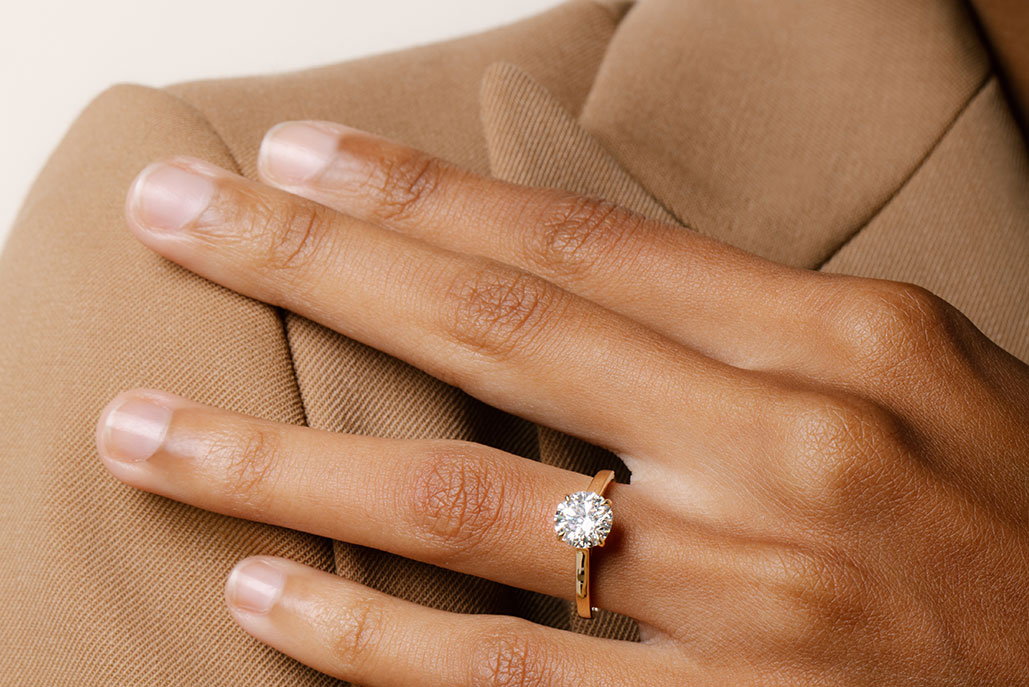
White Sapphire: Beauty, Durability, and Buying Guide

A clear gemstone can give a ring a bright, refined look without following the usual diamond route. White sapphire is one of the best-known natural alternatives, especially for engagement rings, earrings, pendants, and everyday fine jewelry. It offers strong durability, a clean appearance, and a more subtle style of brilliance.
Still, not every clear gemstone performs the same way. Before buying, it helps to understand how sapphire handles light, how it wears over time, and what quality factors affect its appearance.
What Is White Sapphire?
Sapphire is a variety of the mineral corundum. Most people connect sapphire with blue, but corundum appears in many colors. A colorless or nearly colorless piece can be cut and polished for use in fine jewelry.
Corundum ranks 9 on the Mohs hardness scale, which makes it resistant to scratching during normal wear. Diamond ranks 10, so sapphire is slightly softer but still suitable for rings that receive frequent use.
Natural stones can contain small inclusions, growth features, or faint traces of color. These details do not always reduce beauty. In many cases, they simply show the gem formed through a natural geological process.
How White Sapphire Looks in Jewelry
White sapphire has a crisp and elegant appearance, but its sparkle differs from a diamond. Diamond has stronger dispersion, which creates more flashes of rainbow color. Sapphire usually produces a softer, calmer shine.
This difference matters most in larger center stones. A well-cut sapphire can look bright and attractive, yet it will not copy the exact visual effect of a diamond. Buyers who prefer understated brilliance may actually like this softer look.
Cut quality has a major effect on appearance. A poorly proportioned stone can look dull or glassy, while a carefully cut gem returns more light to the eye. Symmetry, polish, depth, and facet arrangement all deserve attention.
What Determines Quality?
Color and Transparency
For a colorless sapphire, buyers usually want as little visible body color as possible. Some stones may show a faint gray, blue, or yellow tint under certain lighting. Viewing the gem in daylight and indoor light can help reveal these differences.
Transparency also matters. Heavy inclusions can reduce brightness, while a clean or lightly included stone often looks more lively.
Cut
Cut controls how efficiently a gemstone reflects light. A stone with poor proportions may allow light to escape through the bottom. That can create a washed-out or see-through area in the center.
Look for even symmetry and balanced proportions. The shape should also suit the setting, whether you prefer round, oval, cushion, pear, or emerald-style cuts.
Carat Weight and Size
Carat measures weight rather than visible dimensions. Two gemstones with the same carat weight can look different in size because their depth and proportions vary.
Always check millimeter measurements when comparing center stones. This is especially useful when shopping online, where photographs can make scale hard to judge.
White Sapphire vs. Diamond
The biggest differences involve brilliance, hardness, and price. Diamond reflects and disperses light more strongly, so it usually appears more fiery. Sapphire has a softer glow and may show surface buildup more quickly if it is not cleaned often.
Diamond also has greater hardness. However, sapphire remains one of the hardest natural gemstones used in jewelry, so it can work well for daily wear when protected by a secure setting.
Buyers also compare sapphire with man made diamonds because both can offer a clear center-stone look at different price points. Laboratory-grown diamonds have essentially the same chemical, physical, and optical properties as natural diamonds, according to the Gemological Institute of America.
The right choice depends on what you value most. Choose sapphire for a natural colored-gem identity and softer sparkle. Choose diamond if maximum brilliance and diamond-specific optical performance matter more.
Is It Suitable for an Engagement Ring?
Yes, it can be a practical engagement-ring stone. Its hardness makes it much more durable than many popular gems, including quartz and softer colored stones.
Setting style still matters. Prongs should hold the stone securely, and exposed edges need protection from hard knocks. Bezel and halo settings can add extra coverage, while traditional prong settings allow more light around the gem.
People with active jobs or hobbies should inspect their rings regularly. Even hard gemstones can chip if they receive a sharp impact at the wrong angle.
Does It Need Special Care?
Regular cleaning helps maintain brightness. Oils from skin, hand cream, soap, and everyday products can form a film on the surface. That film may make a clear sapphire look cloudy even when the stone itself is clean and undamaged.
For routine care, use warm water, mild dish soap, and a soft brush. Clean around the pavilion and beneath the setting, where residue often collects. Rinse well and dry with a lint-free cloth.
Avoid harsh household chemicals around fine jewelry. You should also have the setting checked if a prong looks bent, loose, or worn.
Natural, Treated, and Synthetic Options
Not every sapphire in the market has the same origin or treatment history. Natural stones may be untreated or may receive heat treatment to improve their appearance. Synthetic sapphire has the same basic crystal composition as natural sapphire but is grown in a controlled environment.
Ask the seller to disclose whether the gem is natural or laboratory-created and whether it has been treated. For a higher-value purchase, an independent gemological report can give you more confidence about identity and disclosed treatments.
This is also where buyers should avoid confusing sapphire with diamond simulants or laboratory-grown diamonds. Different materials can look similar in photographs while having very different optical and physical properties.
How to Shop With Confidence
Start by deciding what matters most to you: natural origin, brightness, durability, size, or budget. That priority makes it easier to compare stones without focusing only on carat weight.
Request clear photos and videos in more than one lighting condition. Ask for millimeter measurements, treatment details, return terms, and any available grading documents. A trustworthy seller should explain the gemstone without vague claims.
If you are choosing a center stone for daily wear, inspect the cut closely. A smaller, well-cut stone often looks better than a larger gem with weak light return.
A Clear Gem With Its Own Character
White sapphire works best for buyers who appreciate it as a sapphire rather than as an exact diamond copy. It offers strong everyday durability, natural gemstone appeal, and a softer style of sparkle that suits many ring designs.
If you are comparing it with man made diamonds, focus on appearance, material properties, origin, and long-term expectations instead of price alone. The best choice is the stone that matches your style, wear habits, and reasons for buying it.