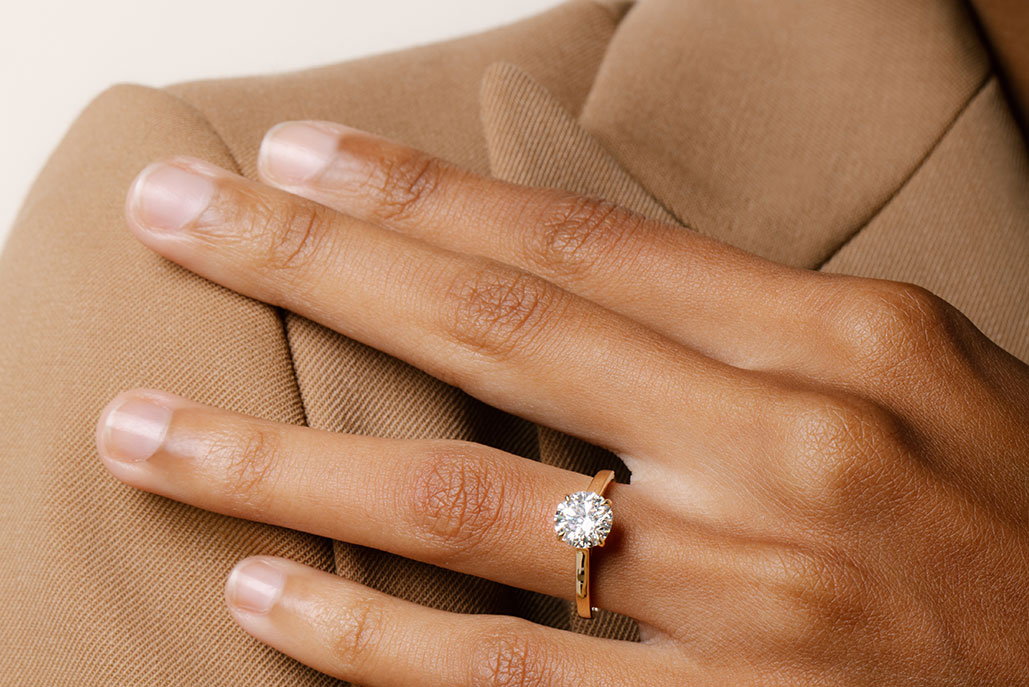
Finding Best Lab Diamonds MY with Certified Quality and Better Value

The demand for best lab diamonds MY has grown steadily as more buyers look for ethical, high-quality, and affordable alternatives to mined diamonds. Modern technology allows laboratories to create diamonds with the same chemical, physical, and optical properties as natural diamonds. Buyers in Malaysia now have access to a wide range of certified options that suit different budgets and personal styles.
This guide explains how lab created diamonds are made, how to evaluate their quality, and what to consider before making a purchase.
Why Best Lab Diamonds MY Are Becoming More Popular
Many Malaysian buyers choose lab-grown diamonds because they offer excellent value without sacrificing quality. A laboratory-grown diamond has the same crystal structure as a mined diamond. Even experienced jewelers need specialized equipment to distinguish between them.
Another advantage is pricing. Lab-grown diamonds generally cost less than comparable mined diamonds. Buyers can often purchase a larger stone or a higher quality grade within the same budget.
Ethical sourcing also influences many purchasing decisions. Since these diamonds are grown in controlled laboratory environments, they reduce concerns associated with traditional diamond mining.
What Are Lab Created Diamonds?
Lab created diamonds are genuine diamonds produced using advanced technology rather than geological processes beneath the Earth’s surface.
Manufacturers use two primary production methods.
- High Pressure High Temperature (HPHT)
- Chemical Vapor Deposition (CVD)
Both methods create diamonds that share the same hardness, brilliance, and durability as mined diamonds. They score 10 on the Mohs hardness scale, making them suitable for everyday jewelry such as engagement rings and wedding bands.
International grading laboratories certify both natural and laboratory-grown diamonds using the same quality standards.
How to Judge Diamond Quality
Diamond quality depends on the internationally recognized Four Cs.
Cut
The cut determines how effectively a diamond reflects light. An excellent cut produces greater sparkle and brilliance.
The round brilliant cut diamond engagement ring remains the most popular choice because its shape maximizes light performance. It suits both classic and modern ring designs.
Color
Diamond color ranges from D, which is colorless, to Z, which has a noticeable yellow or brown tint.
Many buyers prefer diamonds between D and H because they appear bright while offering better value than the highest color grades.
Clarity
Clarity measures internal inclusions and surface blemishes.
Grades such as VS1, VS2, and SI1 often provide excellent visual appearance without paying a premium for imperfections that are difficult to detect.
Carat Weight
Carat measures the weight of the diamond rather than its physical size.
A well-cut one-carat diamond can appear larger than a poorly cut stone of greater weight.
Understanding the Round Brilliant Cut
The round brilliant cut remains the industry’s benchmark for brilliance and fire. It has been refined over decades to maximize light return.
Many shoppers searching for a timeless engagement ring choose this cut because it complements almost every ring setting.
A common question is how many facets in a round brilliant cut diamond. The standard modern round brilliant cut contains 57 facets if the culet is absent or 58 facets if a culet is present.
Another frequently asked question is how many facets does a round brilliant cut diamond have. The answer remains the same. Most modern round brilliant diamonds feature 57 or 58 carefully arranged facets that optimize brilliance, scintillation, and fire.
Each facet serves a purpose. Precise alignment allows light to enter through the crown, reflect inside the stone, and return to the viewer’s eye as brilliance.
Certification Matters
Always choose certified diamonds regardless of whether they are laboratory-grown or mined.
Well-known grading laboratories include:
- Gemological Institute of America (GIA)
- International Gemological Institute (IGI)
- Gem Certification & Assurance Lab (GCAL)
A grading report verifies important characteristics such as cut, color, clarity, carat weight, and measurements.
Certification also simplifies comparisons between different diamonds.
Choosing the Right Shape
Although the round brilliant dominates the market, several other diamond shapes offer distinctive appearances.
Popular options include:
- Oval
- Cushion
- Princess
- Emerald
- Pear
- Radiant
- Marquise
Each shape reflects light differently and creates a unique visual style.
For maximum sparkle, the round brilliant continues to outperform most fancy shapes due to its optimized facet arrangement.
Ring Settings That Complement Lab Diamonds
A beautiful diamond deserves a setting that enhances its appearance.
Popular choices include:
Solitaire
A solitaire highlights the center stone without distractions. This timeless design works especially well with round brilliant diamonds.
Halo
A halo surrounds the center diamond with smaller diamonds. This style increases visual size while adding extra sparkle.
Three-Stone
Three-stone rings symbolize the past, present, and future. They provide greater finger coverage and visual balance.
Pavé
Pavé settings feature small diamonds along the band. They add brilliance without overwhelming the center stone.
How Pricing Differs from Natural Diamonds
One reason buyers seek the best lab diamonds MY is affordability.
A laboratory-grown diamond usually costs significantly less than a mined diamond with comparable specifications.
Price differences vary according to:
- Carat weight
- Cut quality
- Color grade
- Clarity grade
- Certification
- Market supply
Lower prices allow many buyers to prioritize cut quality or choose a larger diamond within their budget.
Shopping Tips for Malaysian Buyers
Buying a diamond requires careful comparison rather than focusing only on price.
Consider these practical recommendations:
- Review the grading certificate before purchasing.
- Prioritize cut quality because it affects sparkle more than carat size.
- Compare several diamonds with similar grades.
- Verify return and exchange policies.
- Confirm warranty coverage for jewelry settings.
- Choose reputable retailers that clearly disclose laboratory certification.
These steps reduce uncertainty and improve long-term satisfaction.
Caring for Lab Created Diamonds
Lab created diamonds require the same care as mined diamonds.
Clean jewelry regularly using warm water, mild soap, and a soft brush.
Avoid exposing rings to harsh chemicals during household cleaning. Professional inspections once or twice a year help ensure that prongs remain secure and the diamond stays protected.
Proper maintenance preserves brilliance for many years.
Are Lab-Grown Diamonds a Good Long-Term Choice?
For many buyers, the answer is yes.
Lab-grown diamonds provide genuine diamond beauty, impressive durability, and certified quality. They suit engagement rings, anniversary gifts, earrings, pendants, and everyday jewelry.
They also allow buyers to prioritize larger carat sizes or higher quality grades without exceeding their budget.
People seeking the best lab diamonds MY should compare certification, craftsmanship, cut precision, and retailer reputation rather than focusing only on price. A well-cut certified diamond delivers lasting beauty regardless of whether it formed underground or inside a laboratory.
Understanding quality grading, certification, and popular cuts helps buyers make informed decisions. Whether selecting a classic round brilliant cut diamond engagement ring or another elegant design, certified lab created diamonds offer a practical and reliable choice for modern jewelry buyers.